Nuclear
Google, Constellation in Massive, New Nuclear Deal as Data Center Buildout Marches On
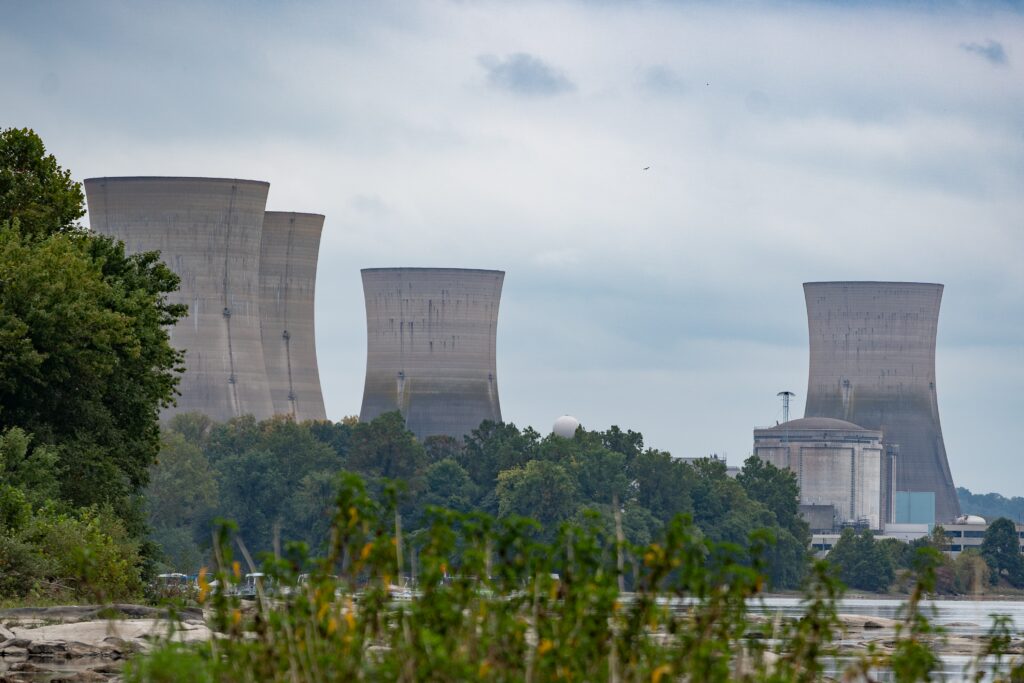
Google and Constellation Energy said Tuesday they have signed a 20-year power purchase agreement to add 890 megawatts of nuclear capacity to the PJM grid by upgrading reactors already in service.
The deal extends two tracks already underway: Google’s effort to restart a shuttered Iowa reactor and Constellation’s agreements to keep, reopen and expand existing plants for large power buyers.
Constellation plans to invest more than $4.3 billion in equipment and technology at 11 reactor units across six sites in Illinois, Pennsylvania and New Jersey. Turbine, steam-generator and digital-control upgrades are intended to raise output without building a new reactor. The companies expect the first added capacity by 2028. They did not identify the six sites or break down the 890 megawatts by plant.
A separate, 15-year agreement covers 2,700 megawatts from Constellation’s existing PJM fleet. That purchase supports current generation; it is not another 2,700 megawatts of new nuclear capacity.
Together the agreements cover 3,590 megawatts, but only the proposed uprates would increase supply. The companies did not disclose power prices or a plant-by-plant construction schedule. The contracts combine new generating potential with a much larger commitment to buy power already being produced.
For Google, this is a third approach to securing nuclear power. Its 25-year agreement with NextEra Energy would buy roughly 615 megawatts from the Duane Arnold Energy Center in Iowa, which shut after storm damage in 2020. NextEra is targeting a 2029 restart, while a physicians’ group has challenged the plan before the Nuclear Regulatory Commission. Google also has an agreement with Kairos Power for up to 500 megawatts from advanced reactors by 2035. The Iowa plant must be restored; the Kairos reactors must be built. Constellation’s uprates would draw more electricity from operating plants.
Constellation has been assembling its own portfolio of technology-company deals. A 20-year power purchase agreement with Microsoft supports the planned restart of Three Mile Island Unit 1 in Pennsylvania, renamed the Crane Clean Energy Center, for about 835 megawatts.
At its operating Dresden plant in Illinois, a Walmart agreement covers 176 megawatts, including a proposed 30-megawatt increase in generating capacity. Operators manually shut down Dresden Unit 2 on Sept. 3 after an instrumentation failure, according to a Nuclear Regulatory Commission event report.
The Google agreement is larger in incremental capacity than the Dresden expansion and does not depend on returning a retired reactor to service. Its scale, however, remains a company projection until the upgrades are completed and operating.
Constellation said the work would sustain about 4,400 existing jobs and create approximately 7,200 construction jobs during the building period. It has not published a timetable for each unit or said how much power each upgrade would yield.
The companies also announced a five-year technology arrangement under which Constellation will use Google Cloud and Gemini Enterprise for site selection and permitting, equipment monitoring and protection of plant operating networks.
They said their power arrangement includes ways to reduce nonessential Google load during periods of grid stress and is intended to support Google’s growth without passing costs on to residential customers. Those claims will be tested as individual projects move through engineering, regulatory review and construction.
PJM is weighing how to accommodate large new electricity users as data-center demand rises across its 13-state territory.
Google and Constellation present this deal as a way for one such buyer to pay for additional supply while keeping existing plants on the grid. It follows Constellation’s recent agreement with Amazon for a 190-megawatt uprate at Calvert Cliffs in Maryland, another existing-plant expansion backed by a long-term corporate buyer. The next test is how much of the promised 890 megawatts arrives, at which sites and on what schedule.
Leave a Reply