Nuclear
Radioactive Material from Dormant Nuclear Plant Accidentally Leaks at Pacific Coast, Utility Tells NRC
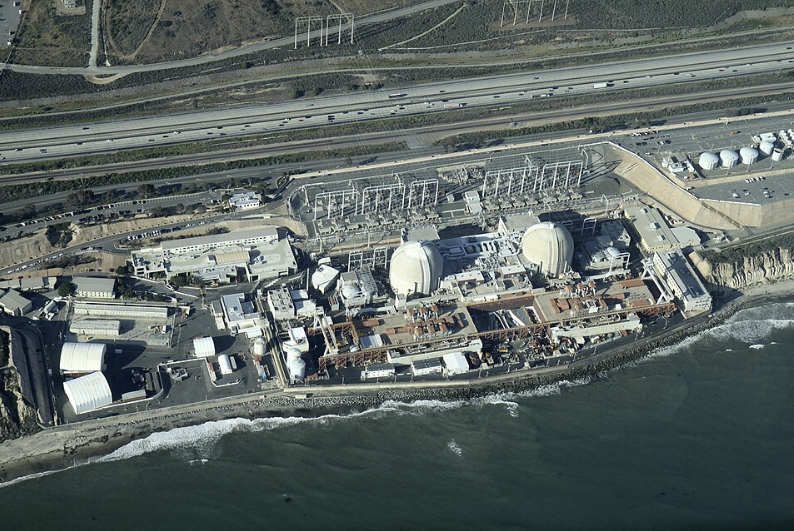
A shuttered Southern California nuclear plant that now stores nuclear waste accidentally sent about 5,000 gallons of wastewater containing radioactive material toward the Pacific Ocean, according to a report the Nuclear Regulatory Commission released today.
The report, from operators of the San Onofre Nuclear Generating Station in San Clemente, said that a planned wastewater transfer at the site earlier this week went awry. The report said the discharged water exceeded a limit in the site’s water discharge permit. The plant ceased power generation in 2013.
According to an event notification submitted to the NRC by operator Southern California Edison:
“On September 23, 2026, between approximately 2000 and 2200 PDT, a planned wastewater transfer continued after the intended transfer period, resulting in an unplanned discharge of approximately 5,000 gallons into the Unit 2 storm drain/intake pathway rather than completing the intended controlled wastewater discharge path. The Unit 2 intake conduit leads to the Pacific Ocean. The source of the water was mostly groundwater, with some concrete cutting water.”
Southern California Edison notified state water regulators the next day. It reported that the water’s pH exceeded the limit in its federal water discharge permit.
“Tritium was detected at an approximate level of 3000 picoCuries/L,” the notification reported, and pH values were detected above permit levels. Samples were collected at three locations.
Based on preliminary results, Southern California Edison said it does not believe the release poses a threat to ocean water quality.
The plant normally releases treated wastewater through an underwater pipe that ends at a diffuser about 1.1 miles offshore, after giving the public 48 hours’ notice, according to Southern California Edison.
The San Onofre Nuclear Generating Station sits on the Pacific coast just south of San Clemente, on land owned by the U.S. Navy, according to Southern California Edison. Edison owns about 78 percent of the plant and operates it, according to the utility. San Diego Gas & Electric owns 20 percent, and the city of Riverside owns about 2 percent, according to Southern California Edison.
The plant’s two newer reactors were each rated at about 1,100 megawatts, according to a report Edison filed with the Nuclear Regulatory Commission. From 2002 through 2011, San Onofre produced about 18 percent of the electricity generated in the Edison and SDG&E service areas of California’s power grid, according to the U.S. Energy Information Administration.
About 3.6 million pounds of spent nuclear fuel is stored at San Onofre, according to reports. All of the spent nuclear fuel from San Onofre’s three reactors has been in dry storage since August 2020, when Southern California Edison placed the last canister at the site’s storage installation, according to the Nuclear Regulatory Commission.
The fuel is sealed in 123 canisters, with 73 stored underground in a Holtec International system and 50 in horizontal storage modules made by Transnuclear, according to NRC records.
Leave a Reply