Grid
FERC’s Winter Review Carries a Warning for the Data Center Buildout
The good news: the American power grid survived last winter’s Arctic cold without forcing utilities to cut customers off.
The more important news for the data center buildout is how it survived.
During a three-week stretch spanning winter storms Fern and Gianna, the power system leaned on gas storage, emergency transfers between regions, early generator commitments, reduced demand from LNG export terminals and, at the tightest moments, customer-owned backup generation. The grid needed all of them.
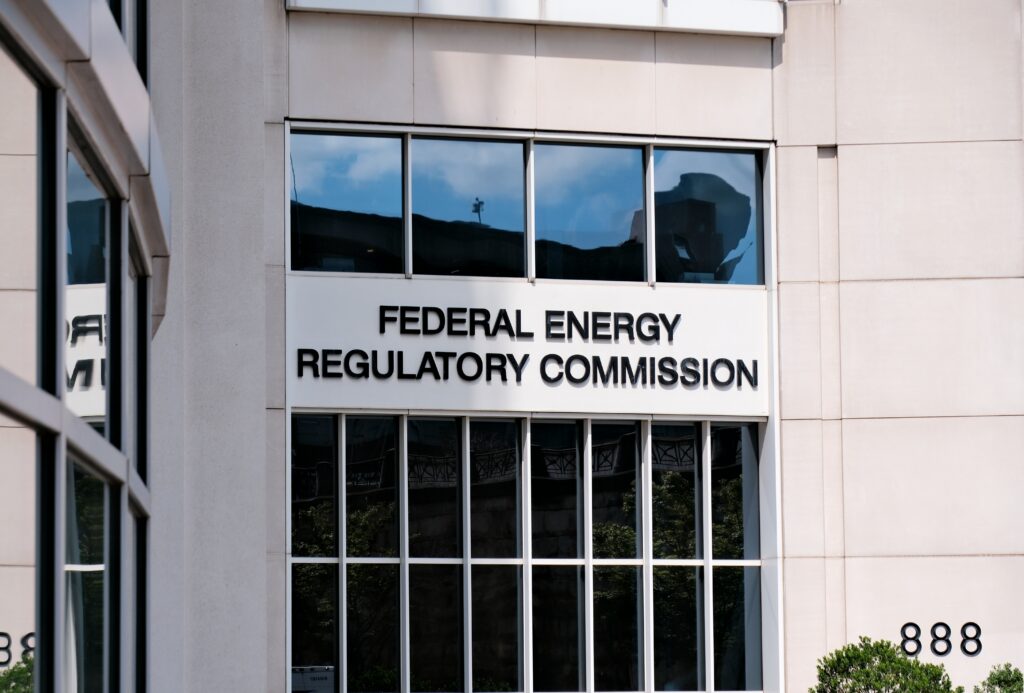
That was the verdict delivered today by the Federal Energy Regulatory Commission (FERC), which oversees most regional grid operators across the U.S. and sets broad power and energy policies. The Commission met for its September session, as national focus has intensified on meeting the increased power demand of data centers.
“While we survived this recent winter…,I don’t want to slap ourselves on the back too hard. We had five regions operating reserve margins,” FERC Commissioner David LaCerte said. “We had (Independent System Operator) New England operating in reserve for three consecutive weeks. We’ve got a lot of work to do.”
The work needed: More accurate load forecasting, added gas pipeline capacity and storage, tighter electric–gas coordination, and clearer rules for how large loads like data centers run and report their backup generation.
U.S. electric demand reached 666 GW on Jan. 27, even though it lost 68 GW during storms on that date — without having to knock customers offline to keep the grid operating.
Instead of high-fiving each other, officials at the FERC meeting reiterated risks ahead as data centers will demand ever greater amounts of power. During the FERC session in Washington, D.C. on Thursday, they described backup generation as increasingly important.
“Most electric entities acknowledge that backup generation, including at large loads such as data centers, could provide potential reliability benefits during extreme cold weather periods, while also acknowledging that questions remain, including whether most large loads can accommodate the simultaneous use of power from the grid and backup generation, and how large loads should communicate their backup generation capabilities to system operators,” said Robert Clark, of FERC’s Office of Electric Reliability during the session.
Having grid and power company officials doing a better job of looking into electricity demand forecasts is also an area that will need to be shored up, they said.
In a post-meeting press conference, Chairman Laura Swett said “a lot of work can be done on load forecasting to make it more accurate,” and connected that problem to pending FERC proceedings.
During the 2025-26 winter, which was brutal in some regions, the Energy secretary issued 15 emergency orders under Section 202(c) of the Federal Power Act, including orders directing backup generation at large loads to operate as a last resort. No large load used that authority. Yet utilities in Florida did rely on municipal and customer-owned backup generation during the tightest conditions on Feb. 1 and 2.
The gas system carried a second warning. Total U.S. gas demand reached 172 billion cubic feet per day, while weekly storage withdrawals matched the all-time winter peak. Gas production declined as demand rose.
FERC’s winter review did not argue against adding large loads. It showed what credible growth now requires: better forecasts, more transmission capacity, more gas infrastructure and storage, stronger transfers between regions, and large customers that can explain exactly how they behave when the grid runs short.