News
FERC Rejects Oklo Bid to Restore 750 MW Project to PJM Queue
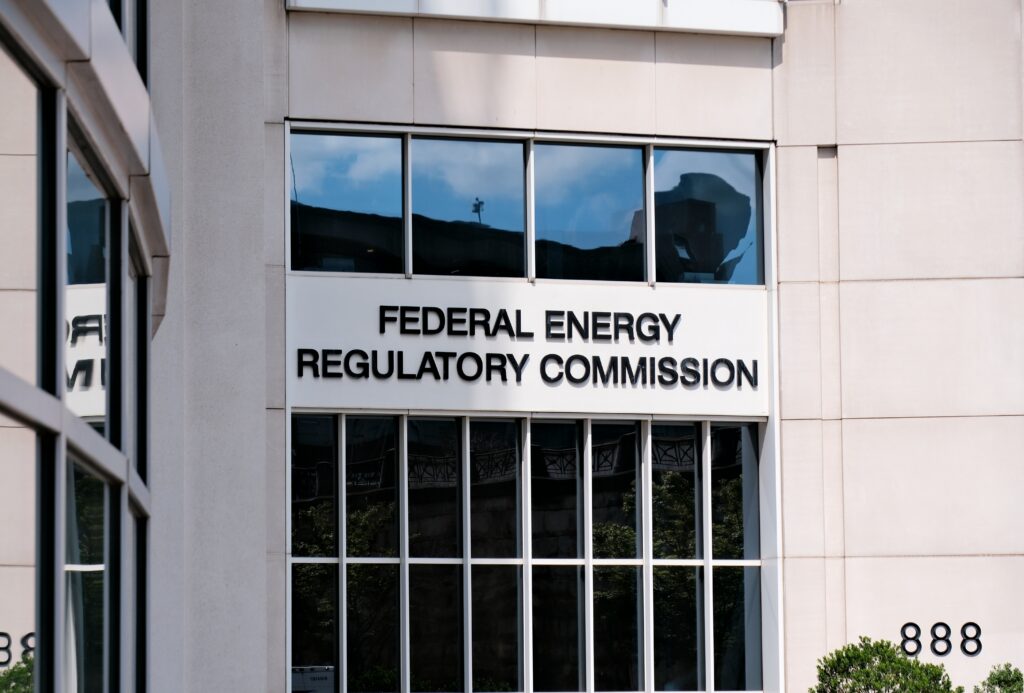
The Federal Energy Regulatory Commission (FERC) has turned thumbs down on Oklo Inc.’s bid to get back in line for a 750-megawatt power project to PJM Interconnection’s first reformed study cycle.
FERC’s said it found that that the company failed to provide a workable model for the full facility after receiving a chance to correct its application.
The ruling means that Oklo—the nuclear power and energy company once chaired by Sam Altman—will now have to wait longer for its project to receive a connection to the grid. In Oklo’s filing, it said the project was “of critical national importance.”
The Sept. 24 order leaves the project out of PJM”s Cycle 01, whose Phase I study PJM said was planned to begin Sept. 28. Oklo filed its complaint (Docket No. EL26-101-000) on Aug. 28 and sought fast-track treatment.
FERC also dismissed Oklo’s request for a procedural waiver as moot. Oklo had sought to regain its original queue position after PJM withdrew the application in August.
“Oklo failed to meet its burden to show that PJM violated the Tariff during the interconnection process for the Project,” FERC said in its Sept. 24 order.
This story was first reported by Utility Drive.
The project combines 150 MW of advanced nuclear generation, 300 MW of fuel cells and 300 MW of natural-gas generation. Oklo challenged its removal from the queue, saying PJM raised technical concerns too late and failed to give it a meaningful chance to respond. Oklo filed portions of the complaint out of the public eye, saying it was privileged.
FERC’s ruling focused on the model Oklo submitted in response to PJM’s May 15 deficiency notice. That notice said the facility needed to initialize with all generators operating and without certain modeling errors. PJM found, and FERC accepted, that Oklo’s revised submission demonstrated stability only for the 300 MW fuel-cell portion, not for the entire 750 MW facility.
PJM said Oklo removed under- and over-excitation limiter models from the nuclear and gas units instead of adjusting their settings. PJM agreed that Oklo’s initial model had been stable; FERC described the removed limiters as safety components.
FERC accepted PJM’s explanation that it needed a working model at the project’s maximum output for the combined Cycle 01 study model. Because deficiencies PJM identified in May remained unresolved after Oklo’s response, FERC concluded that the rejection complied with PJM’s tariff.
The ruling also resolves a central dispute over how many chances a developer gets to fix an application—a key point that other developers will note as many race for connections to power large loads including data centers. FERC read PJM’s tariff as providing one opportunity to respond to an initial deficiency notice, provided PJM made reasonable efforts to identify deficiencies promptly. After reviewing that response, PJM must validate or reject the application. The commission found that PJM’s initial notice identified a problem with the full facility model.
FERC urged PJM to work with developers so its guidance and expectations are clear. It said Oklo could correct the errors and apply for Cycle 02, or consider PJM’s Expedited Interconnection Track, which remains open through Dec. 31, 2027. Oklo told FERC that the expedited track was not viable for the project;
FERC said Oklo had not explained why. Entry requirements include full site control, a commitment to fund network upgrades, a $500,000 study deposit and a $15,000-per-megawatt deposit. The order does not put the project back into Cycle 01 or establish when it might connect to the grid.
Leave a Reply